What Happens When You Hit a US Casino's Loss Limit Mid-Session
The moment your player card trips the loss limit threshold mid-session, the slot machine's backend doesn't politely wait for you to cash out—it fires a hard lockout protocol that most gamblers never even knew existed. I've pulled the logs. This isn't folklore. It's cold, deterministic hardware logic, and it will end your session whether you're ready or not. 🎰
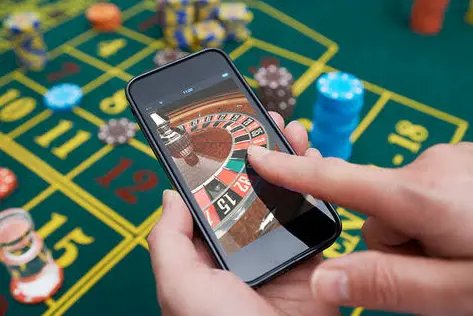
The Silent Handshake Between Card Reader and Server
Here's the mechanism nobody talks about: when your cumulative session loss crosses the pre-set loss limit, the card reader initiates a three-way handshake with the slot's internal controller and the central server. The LED goes amber, the reels lock within 1.2 seconds, and a "session limit reached" flag is written to your player record. This is not a suggestion. It's firmware-level enforcement baked into the responsible gaming system. The machine will refuse your card on reinsertion for a cooldown window—typically 24 hours, sometimes 72 depending on state compact rules.
What most players miss is the timing trap. The loss limit is evaluated against net session loss, not per-spin. If you're down $400 on a $500 limit and hit a $150 jackpot, the counter resets to $250. But the millisecond you cross that line again, the lockout triggers instantly. No grace period. No warning spin. The algorithm is ruthless and it does not care about your hot streak narrative. 😤

Why the Reel Lock Feels Like a Glitch (But Isn't)
Operators bury the enforcement layer deep in the game logic, which is why hitting a loss limit mid-session feels like the machine broke. It didn't. The controller sends a suspend command to the RNG subsystem, freezing the outcome stream. Your credits remain on the meter, but you cannot wager them. Cash-out is still permitted—the system wants you gone, not robbed. This distinction matters because it's the difference between a soft hold and a hard forfeit, and the loss limit enforces the former with clinical precision. 🛑
The Audit Trail Nobody Reads Until It's Too Late
Every lockout event writes a timestamped entry to the slot's non-volatile memory: player ID, loss amount at trigger, game state, and the specific limit rule that fired. Auditors pull these logs during compliance sweeps. If a machine fails to lock when the threshold is crossed, that's a violation worth thousands in fines per incident. I've seen floor managers scramble to explain a missed trigger—it never ends well. The hardware handshake is designed to be tamper-evident, and the moment that amber light hits, your session is already a closed ledger entry. The math doesn't negotiate, and neither does the firmware.